The Traditional Model: Store and Retrieve
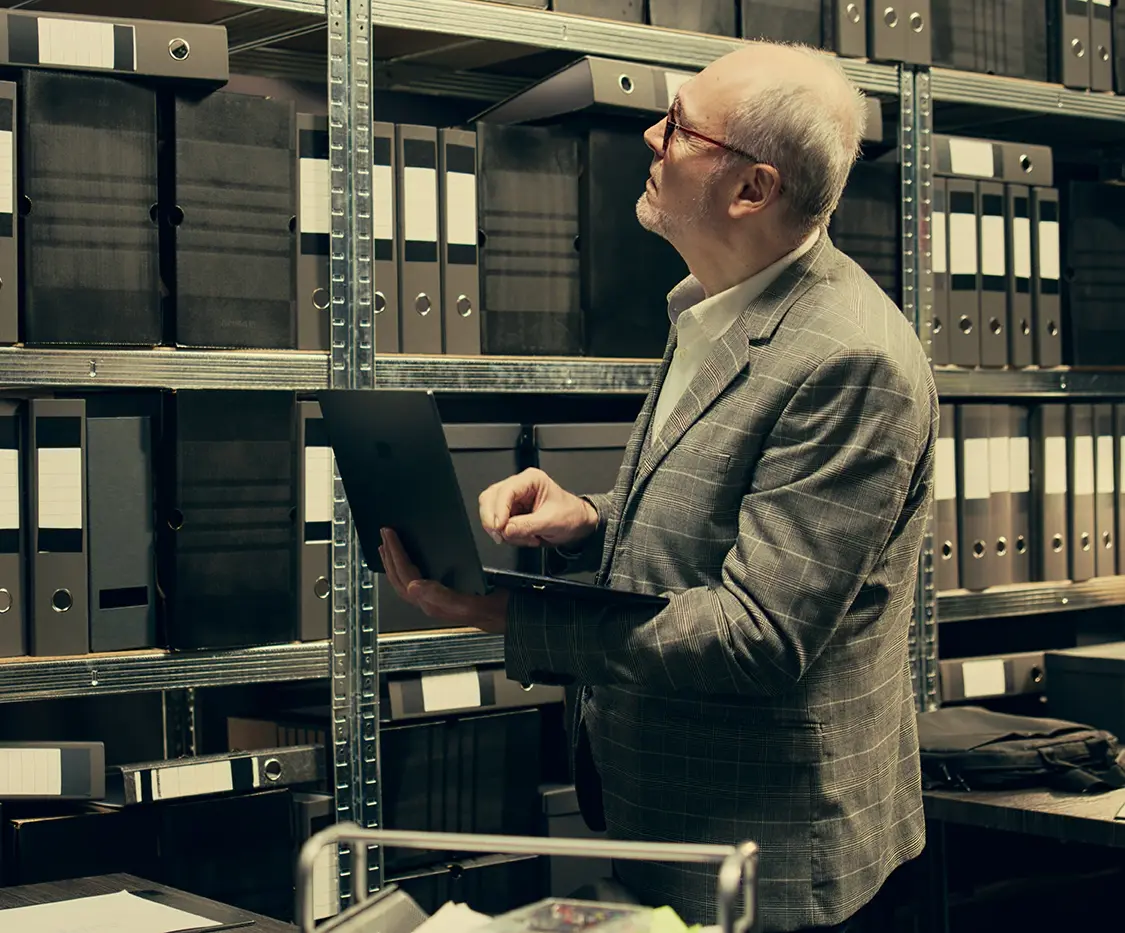
In most organizations, digitization has been treated as a back-office function.
Physical records are converted into digital files and stored in structured archives. These archives serve an important purpose:
-
 Supporting compliance and retention
-
Enabling audit readiness
-
Allowing document retrieval when required
However, this model comes with a limitation. The data is stored, but rarely used. It remains static and disconnected from daily operations. It’s accessible, but not actively contributing to decision-making or business performance.


Beyond Digitization: Activating Your Data
Digitization is no longer just about converting paper into digital formats. It is about preparing your data to be:
-
searchable at scale
-
connected across systems
-
ready for analytics and AI applications
-
available to support decision-making
This is where organizations begin to move from data storage to data activation. Instead of retrieving documents manually, users can:
-
search across large datasets instantly
-
extract insights that help in making informed decisions
-
connect information across departments and systems
From Search to Intelligence
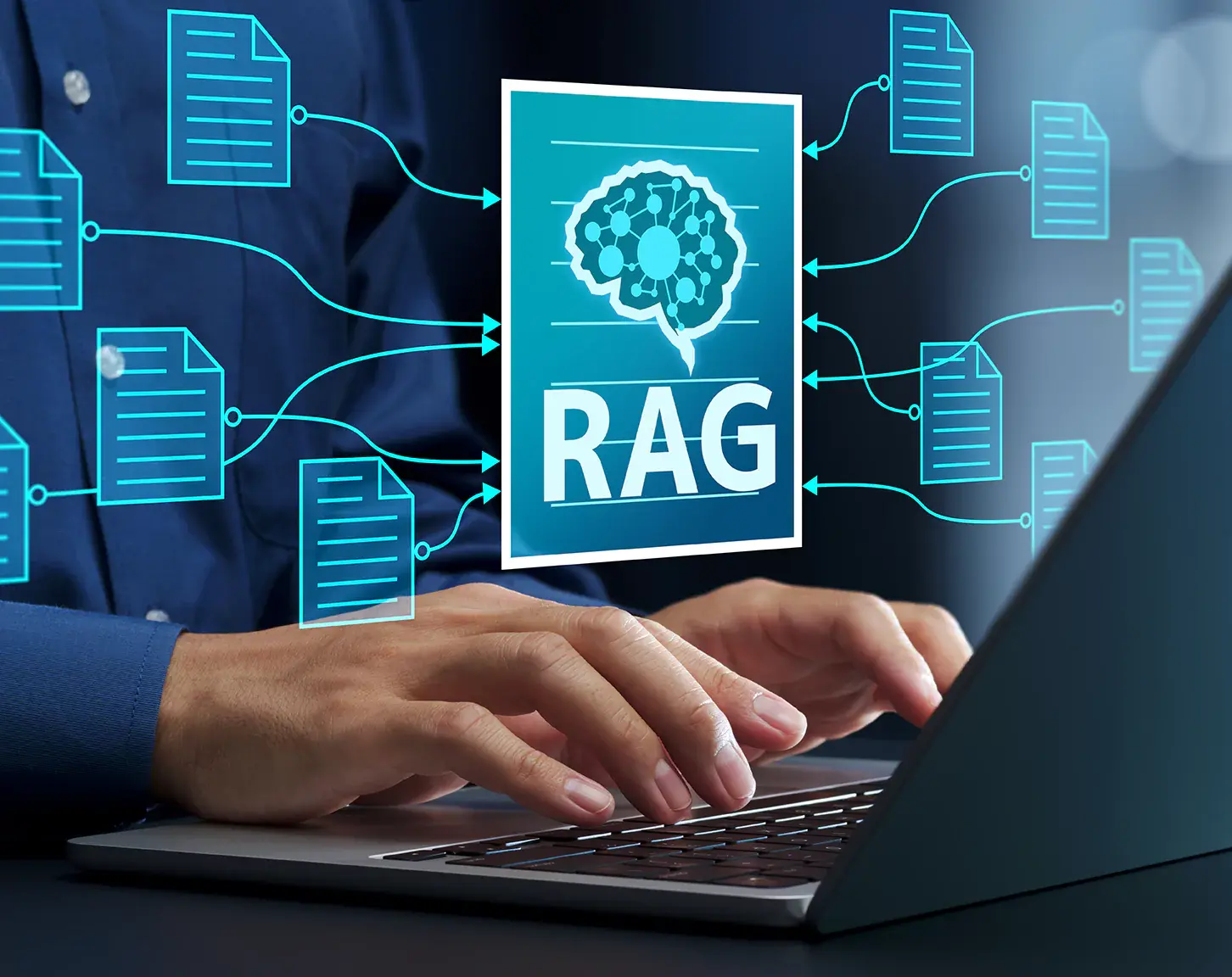
The next evolution goes even further. With the rise of large language models and generative AI engines, organizations can interact with their data in entirely new ways.
Instead of searching through folders or databases, users can:
-
ask questions in natural language
-
receive direct, contextual answers
-
access the underlying documents instantly
For example:
“Show all agreements with this supplier over the last five years.”
“Summarize key risks identified in previous audit reports.”
Behind the scenes, the system retrieves relevant data, analyzes it, and presents both the answer and the source documents.
This transforms archives from passive storage into intelligent knowledge systems.

Why the Foundation Still Matters
While these capabilities are powerful, they depend on a strong foundation.
Without proper digitization and structuring, organizations face:
-
inconsistent data formats
-
incomplete records
-
limited searchability
-
compliance risks
-
inaccurate insights
Digitization, when done correctly, ensures that data is:
-
accurate and complete
-
properly indexed and classified
-
stored in secure, compliant environments
This foundation enables everything that follows, from efficient retrieval to advanced AI applications.
Enabling the Next Step
At EDC, we support organizations across the full journey:
-
digitizing physical archives
-
structuring and governing data
-
enabling secure, compliant storage
-
preparing data for advanced search, analytics, and AI