For organizations operating in regulated environments, compliance is a constant consideration. It shapes how information is handled, how processes are designed, and how decisions are documented. The requirements themselves are usually well understood.
What is often more challenging is managing compliance in a sustainable and practical way. As document volumes increase and processes become more complex, compliance work can start to feel heavier than it needs to be, adding effort without always adding clarity.
This is where document digitisation and management can play a practical role. Not by changing compliance obligations, but by helping organizations meet them more efficiently, while also supporting confidence and trust.
Why compliance can feel more difficult than expected
In many organizations, compliance effort is influenced as much by document handling as by regulation. Information is usually available, but it may be spread across different systems or stored in ways that make retrieval slower than expected. People often spend time locating records, confirming which version is current, or checking whether information can be shared.
These activities are rarely the result of poor practice. They tend to emerge gradually as organizations grow, adopt new channels, and respond to changing requirements. Over time, compliance tasks can become associated with additional effort rather than integrated control.
When this happens, audits and reviews can feel more demanding than they need to be, and service delivery may become more cautious as people seek reassurance before acting.
Reducing compliance effort through digitization
When documents are digitized and managed in a structured way, many compliance-related tasks become easier to handle as part of everyday work.
Documents can be captured as they enter the organization, classified consistently, and stored in a controlled environment. This makes it simpler to retrieve information when needed and to understand its context.
OCR conversion plays an important role at this stage. By making digitized documents searchable using keywords, it becomes easier to locate relevant records quickly, without relying on manual browsing. This supports faster responses to compliance queries and reduces the effort involved in preparing for audits or reviews.
Secure access controls also contribute to clarity. Role-based permissions and file-level protection help ensure that information is available to the right people, while remaining appropriately restricted. This supports governance requirements without adding unnecessary complexity to everyday work.
Rather than relying on manual searches or repeated checks, people can work with greater confidence that they are using the right information. Compliance activities do not disappear, but the surrounding effort is reduced.
In practice, this often starts with how documents are captured. Bulk scanning capabilities allow large volumes of records to be digitized consistently, without relying on manual handling. The ability to work with a wide range of document sizes, from small receipts to oversized formats, also reduces the need for separate processes or exceptions. Together, these capabilities help bring more information into controlled workflows from the outset.
Managing multilingual compliance environments
In markets where documentation frequently includes both Arabic and English, document handling can become more complex.
A single record may contain multiple languages, handwritten notes, stamps, or annotations. These elements can be important to interpretation and validity, particularly in regulated contexts.
Modern digitization technologies are designed to support multilingual content within the same document. When combined with structured management, this can help reduce ambiguity and limit the need for repeated manual handling.
This is especially valuable where consistency and accuracy are important for compliance and review.
Integrated compliance can support customer trust
Customers are rarely aware of internal compliance processes, but they often notice the effects.
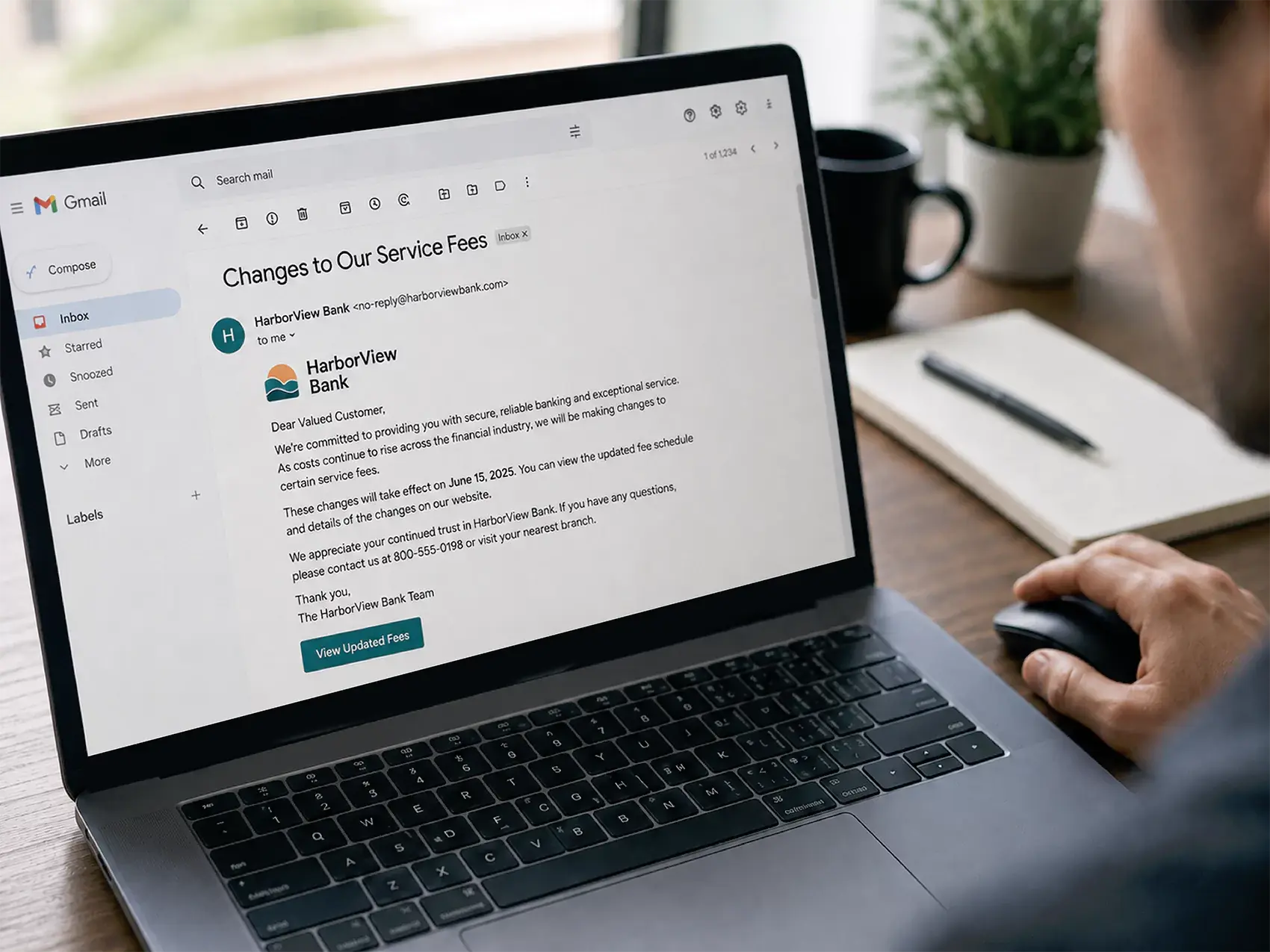
When information is handled efficiently, customers may be less likely to be asked for the same documents more than once. Responses can be clearer and more timely and communication is more consistent.
These experiences contribute to trust. When processes appear organised and predictable, customers are more likely to feel confident that their information is being handled responsibly.
In this way, improvements in compliance handling can support better customer experiences without being visible as compliance work.
From cautious processes to confident operations
When compliance processes are difficult to manage, organisations may respond by adding extra checks or slowing down decisions to reduce risk. While understandable, this can affect efficiency and service.
Conversely, when compliance is supported by effective digitization and document management, teams often find it easier to work with confidence. This confidence is supported by secure storage models that ensure documents are available when needed and protected when not. Whether records are held in cloud-based environments or on-premises systems, consistent security and access controls help organisations meet governance expectations without disrupting operations. Decisions can move forward with greater assurance, and audits may feel more manageable.
In this way, compliance becomes part of normal operations rather than something that requires special preparation.
A practical perspective
Making compliance easier does not mean lowering standards. It means creating better foundations.
Digitization and structured document management help ensure that information is available, organized, and governed as part of everyday work. Effective document management also considers what happens when records are no longer required. Certified secure destruction processes help organizations meet retention obligations while reducing risk, ensuring compliance is maintained throughout the full document lifecycle.
For organizations operating in complex, multilingual, and regulated environments, this approach offers a way to meet responsibilities while also delivering smoother experiences.
EDC’s Document Management and Services are designed to support this balance, helping organizations manage compliance more effectively while reinforcing confidence internally and externally.
The bottom line
Organisations rarely struggle because they lack documents. More often, they get into difficulties because documents are not managed in a way that supports fast, confident work.
Modern document management helps reduce uncertainty. It supports clearer processes, more reliable access to information, and better decision-making across the organisation.
If you would like to explore this approach further, EDC’s document management solutions are designed to help organisations move beyond basic storage toward more structured, governed, and reliable document handling.