

EDC Digitizes a Large-Scale Archive for a UAE Heritage Authority
INDUSTRY
Public Sector / Heritage and Culture
SCOPE
Backlog document digitization
DOCUMENT VOLUME
PROJECT DURATION
KEY CHALLENGE
OUTCOME
Large archival collections often grow over time without a consistent structure, making access and management increasingly difficult. For a UAE-based heritage authority, the priority was to convert a substantial volume of physical records into a digital format that could be reliably organized and accessed.
EDC was engaged to carry out the digitization of this archive within a defined timeframe, ensuring that records were captured accurately and structured in a way that supported long-term use.
Client Overview
The client is a government authority responsible for preserving and managing records of historical and institutional importance. Its archive includes documents from multiple departments, requiring careful handling, clear classification, and consistency in how records are stored and retrieved.
Challenges and Requirements
Volume and timeline
The project involved digitizing approximately 600,000 records within a relatively short timeframe of two months. This required a controlled and efficient process to maintain output without compromising accuracy.
Variation in document types
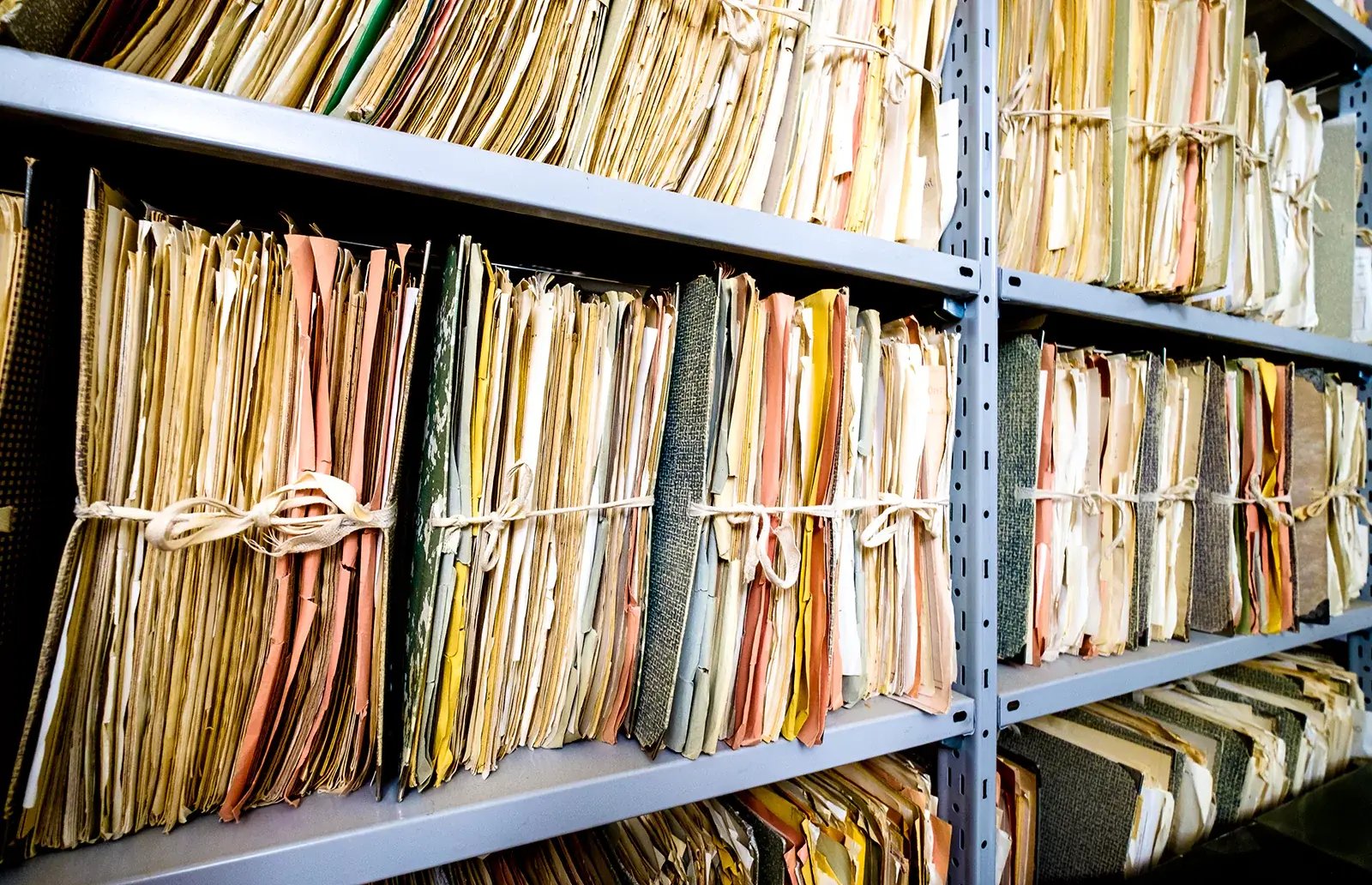
The archive included documents of different formats, sizes, and conditions, requiring flexibility in how materials were prepared and scanned.
Maintaining consistency in structure
As the archive was being digitized, it was important to ensure that all records followed a consistent naming and classification logic to support future retrieval and use.
Evolving requirements during execution
During the project, updates were introduced to the way documents were named and organized, requiring adjustments without interrupting ongoing work.
Solution
EDC implemented a structured digitization process designed to handle both volume and variation across the archive.
Documents were prepared, sorted, and scanned using a combination of standard and manual techniques, depending on their format and condition. This ensured that all records were captured clearly while maintaining throughput across large batches.
A consistent indexing and classification framework was applied to organize documents in a way that supported straightforward retrieval. As requirements evolved, the workflow was adjusted to incorporate updated naming conventions without requiring previously processed records to be reworked.
Quality control measures were maintained throughout the project to ensure that digitized records met the required standards for accuracy and completeness.

Results and Impact
The archive was converted into a structured digital repository that made it easier to locate and work with records that had previously been difficult to access.
Teams were no longer dependent on physical storage to retrieve information, and the consistency introduced during digitization improved confidence in how records were organized.
The project also demonstrated that changes to structure and naming could be incorporated without disrupting delivery, allowing the archive to reflect updated requirements while maintaining continuity.